Septic Tank Pumping in Blue Ridge, GA
Pump-outs for homes and cabins across the North Georgia mountains, timed to your tank size and how many people use the house.
Tank Pumping in Blue Ridge
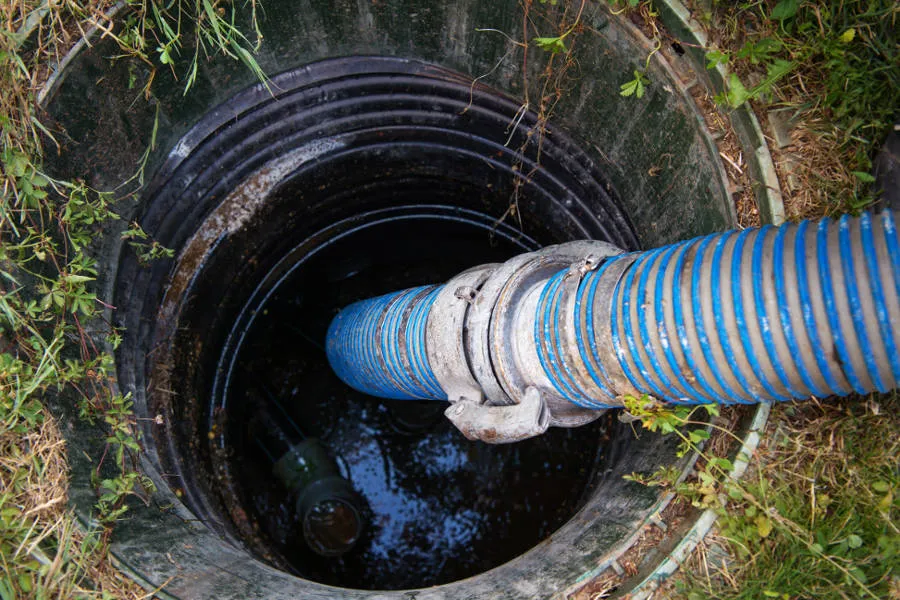
A pump-out takes the sludge off the bottom of the tank and the scum off the top before either one can move on into the drain lines. In Georgia the smallest tank allowed for a one- to four-bedroom home is 1,000 gallons, with 250 gallons more for each bedroom past four, and how fast that fills depends on who lives there and how hard the house is used. UGA Extension's general rule is to inspect and pump every three to five years. A cabin that sleeps a crowd every weekend, a big family on an older tank, or a house with a garbage disposal lands at the short end of that range or sooner. We find and open the tank, pump it fully, look at the baffles while it is open, and leave you with a date for the next one.
Septic service in Blue Ridge
Blue Ridge is the Fannin County seat and the busiest cabin market in the North Georgia mountains, with well over a thousand short-term rental listings spread across the ridges around town. Away from the downtown grid, homes and cabins out toward Aska, Morganton, Mineral Bluff and Lake Blue Ridge mostly treat their own wastewater, and rental use is hard on a septic tank: empty all week, then a full house of guests for the weekend. Septic permits here come from the Fannin County environmental health office, part of the North Georgia Health District in Dalton. Lots along the Toccoa River and up the Aska ridges are steep, so many systems pump uphill to their lines, and the shoreline of Lake Blue Ridge carries TVA's setback rules on top of the state's.
- Full pump-out: bottom sludge, top scum and the liquid between
- Tank found and opened, records or not
- Baffles looked at while the lid is off
- A next pump-out date based on your tank and household
- Risers added on deep tanks so the next visit is easy
- Rental cabins scheduled around guest bookings
Need tank pumping elsewhere? See all of our Blue Ridge services or tank pumping across North Georgia.
Tank Pumping in Blue Ridge
Tell us what’s happening and we’ll call you back — local Blue Ridge service.
Places We Cover Near Blue Ridge
From the town limits to the end of a gravel road, homes and cabins around Blue Ridge are on our map.
- Aska
- Mineral Bluff
- Morganton
- Cherry Log
- Epworth
- Lake Blue Ridge
What Makes Septic Different in Blue Ridge
Local conditions that change how a system here should be looked after.
Weekend rental loads
A cabin that sleeps a big group puts days of household use on its tank in a single weekend. Georgia sizes tanks by bedrooms, not by how many guests a listing allows, so busy rentals need pump-outs well ahead of the usual three to five years.
Pump systems on the Aska ridges
Where the only usable ground for drain lines sits above the cabin, a pump and floats lift the water up to it. When the pump or a float fails, the alarm is the only warning before a backup, so a working alarm matters on every rental.
Lake Blue Ridge shoreline
Georgia keeps drain lines at least 50 feet from a lake's normal water level, and on Lake Blue Ridge land under a TVA flowage easement, TVA adds its own setbacks and approval. Any new lines near the water have to fit both.
Tank Pumping in Blue Ridge — FAQs
How often should a Blue Ridge rental cabin be pumped?
My cabin is on Lake Blue Ridge. Are there extra septic rules?
The cabin's septic alarm is going off with guests inside. What now?
How often does a North Georgia house need its tank pumped?
What are the signs a tank is full?
Does it matter that my place is a rental cabin?
Why add a riser to my tank?
Nearby Towns We Cover
Need Tank Pumping in Blue Ridge?
Call now for a fast quote — we come to your property, and backups and emergencies get priority.